Chantal Kreviazuk: In her own voice and back to where it all began
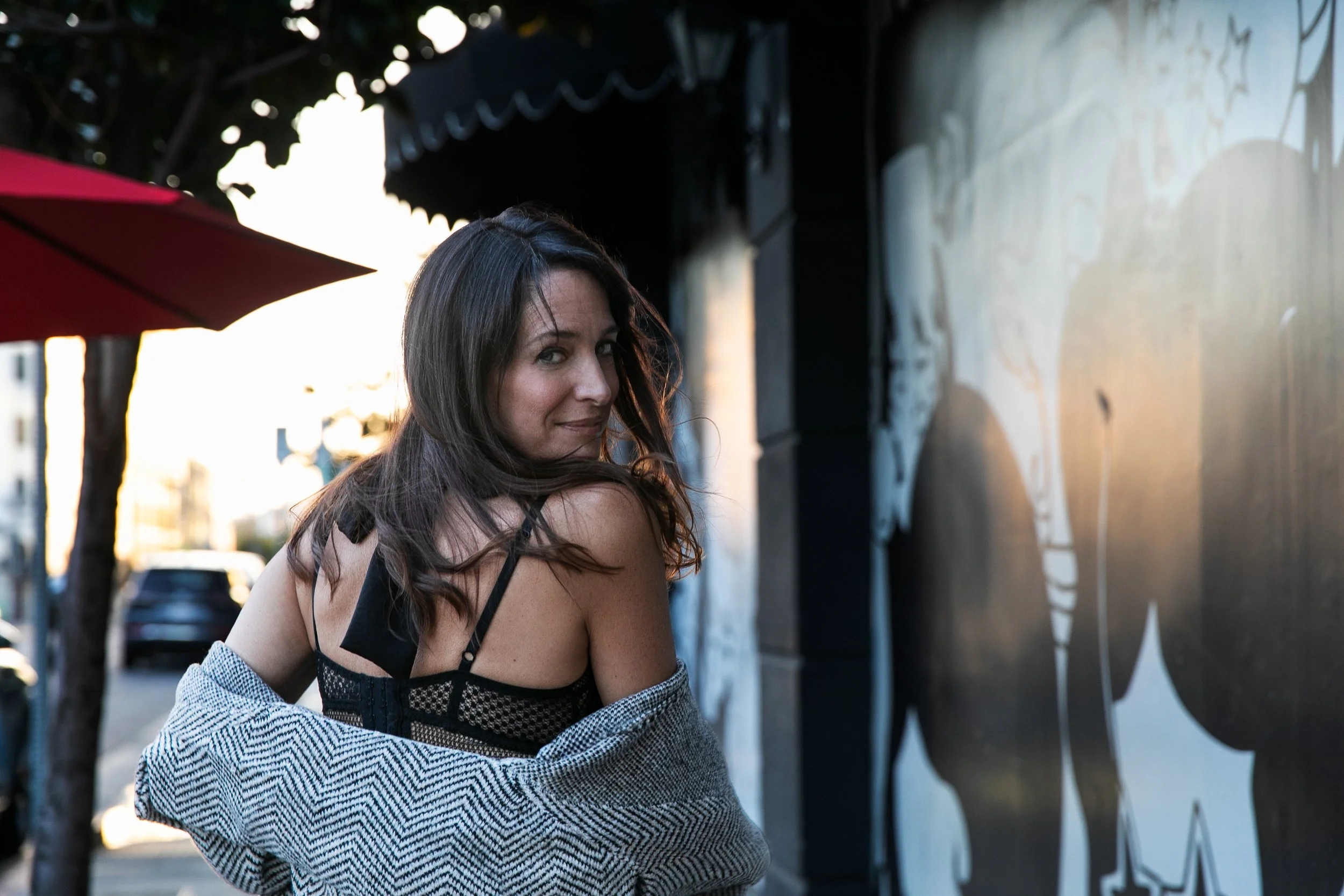
By Aileen Goos
The Winnipeg-born artist returns home to receive the Order of Manitoba and reflects on reinvention, family and the life her music has created.
Chantal Kreviazuk is running on little sleep after a night with one of her sick sons, and she’s late for rehearsal. It’s a small moment, but one that may say more about her than any platinum album ever could.
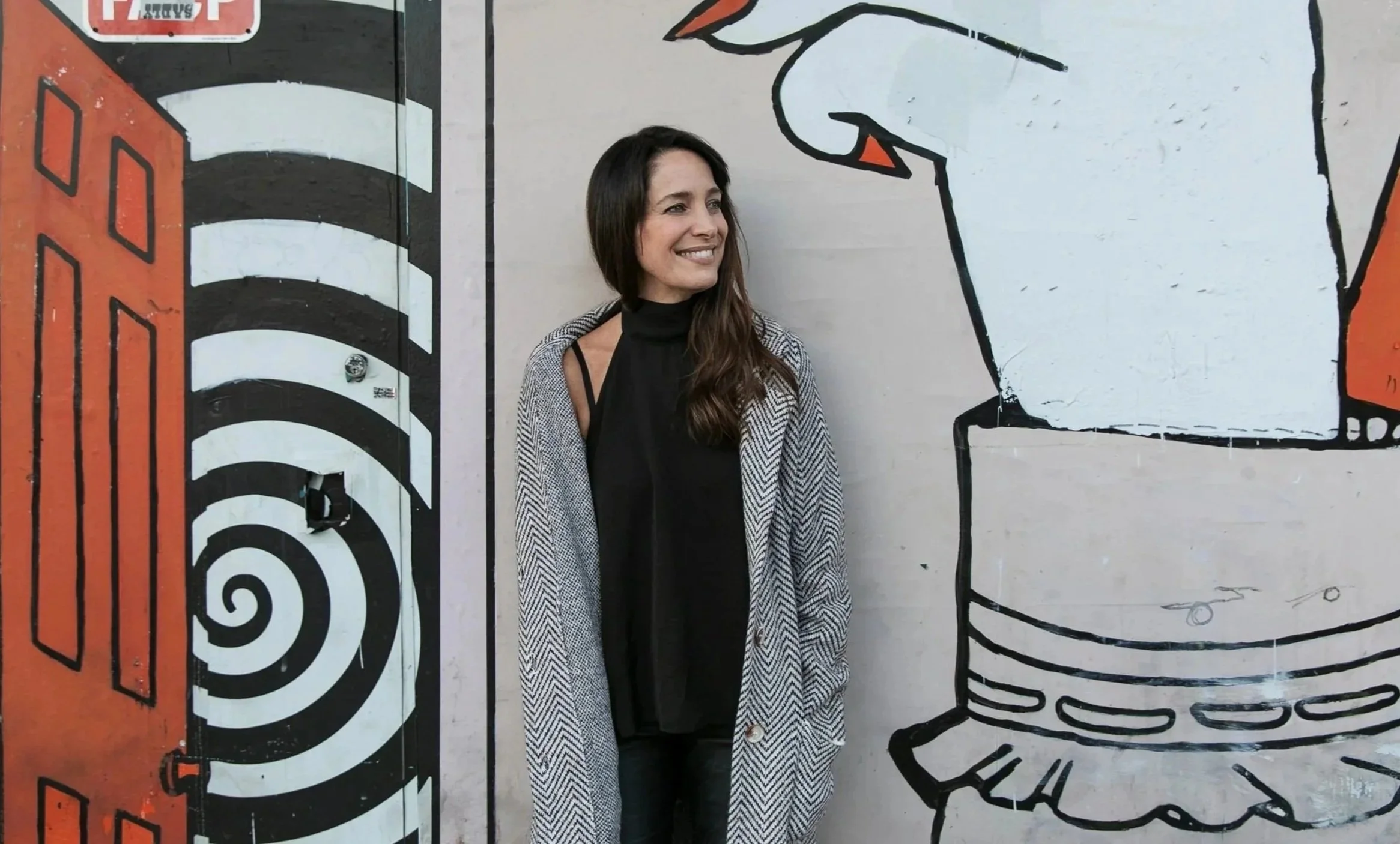
“At this age, something does happen in a woman, and it’s beautiful,” she says. “You stop worrying so much about what everyone thinks.”
It’s the perspective of someone who has spent decades evolving – as an artist, songwriter, advocate and partner. Along the way, Kreviazuk has learned that transformation rarely happens gracefully. Like a caterpillar in a cocoon, “everything dissolves and then something new forms.”
That idea of becoming is woven through much of what she’s doing now.
These days, she’s revisiting the work that shaped a global career on her new album In My Own Voice, touring Canada with her husband, Raine Maida of Our Lady Peace, on their I’m Going to Break Your Heart tour, and preparing to launch a companion book of the same name. This summer, she also returns home to receive one of Manitoba’s highest honours: the Order of Manitoba.
For Kreviazuk, this moment isn’t about looking back — it ’s about recognizing what has stayed true through every version of herself.
Her catalogue spans decades and genres, from her own recordings to writing global hits for artists including Kelly Clarkson, Gwen Stefani, Britney Spears and Shakira. But In My Own Voice isn’t a greatest-hits project — it’s something closer to reclamation.
On social media, she’s been sharing the stories behind the songs, offering small windows into how songs can take on different meaning and what it feels like to bring them back into her own voice.
In some ways, the album feels like a conversation between the woman who wrote those songs and the woman she has become.
Many of them, she says, have always been tied to the same emotional territory — love, conflict, longing, and how relationships hold together when they’re tested.
At the centre of it all is her partnership with Maida. The two are open about what long-term love actually requires in a refreshingly unfiltered way. Through their documentary I’m Going to Break Your Heart, as well as their tour and conversations with audiences across the country, they’ve invited people into the realities of marriage and the misunderstandings, repairs, setbacks and growth that often go unseen.
Hope, she says, is the thread that runs through it all.
It shows up in her songwriting, in the way she talks about relationships, and in the causes she’s chosen to support. It also shows up in the questions she keeps circling: why people hurt each other, why they stay, and why connection is so difficult to maintain.
“I believe one of my purposes is to bring hope to couples,” she says.
That sense of responsibility extends beyond music. Long before humanitarian crises filled social media feeds, Kreviazuk was lending her voice to human rights and social justice work, which she continues today.
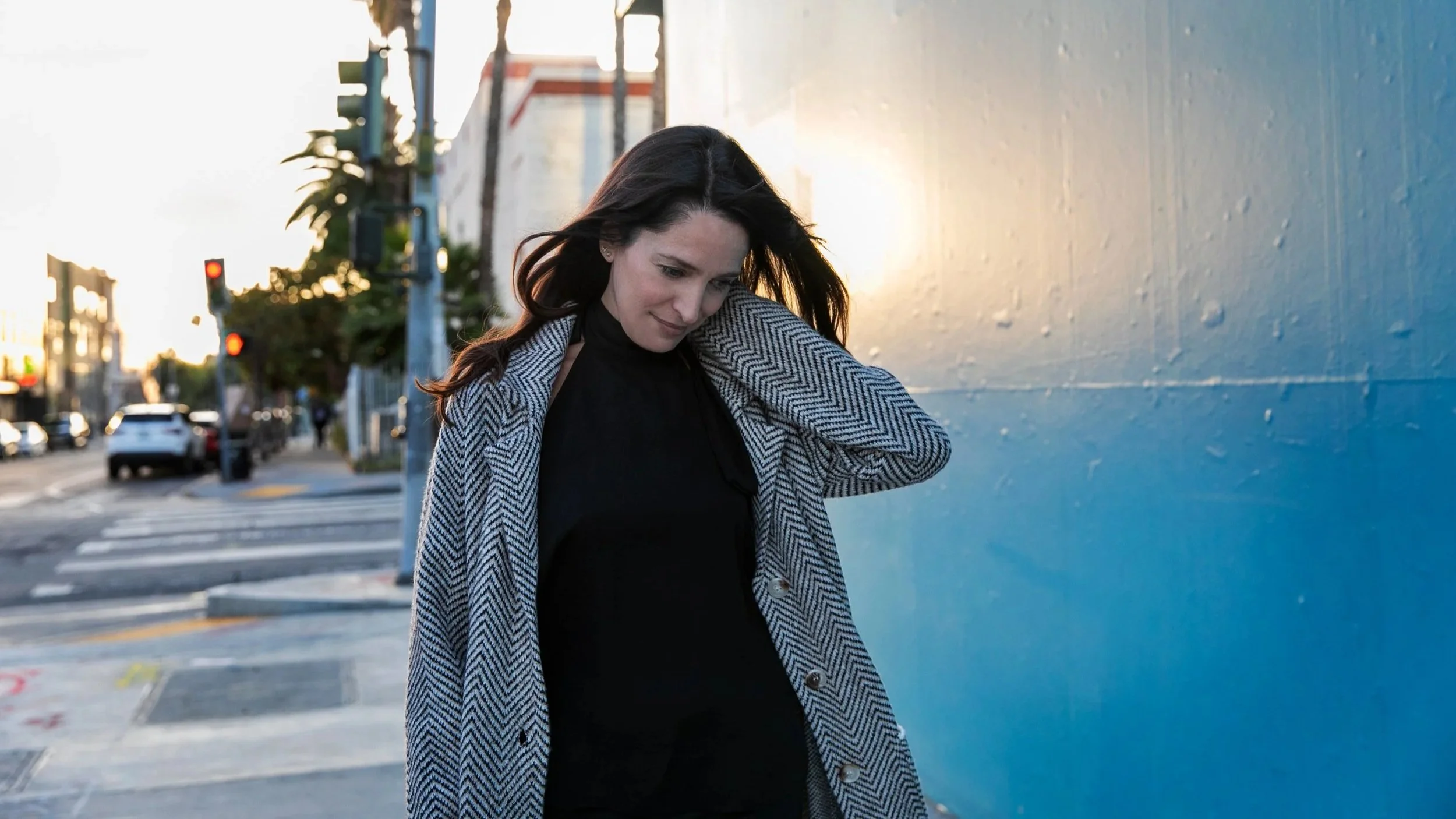
She attended Balmoral Hall School in Winnipeg, where her musical talent bloomed with discipline and expectation. She began piano at age three and trained at the Royal Conservatory, and was quickly recognized as exceptional, even if she didn’t always recognize it in herself.
Recently, her mother showed her school records revealing some of the highest marks in the province, and in some cases the country.
That sense of grounding is also shaped by her identity as a daughter of Ukrainian and Métis ancestry, and the questions of belonging, justice and responsibility that come with it.
“Growing up in Manitoba gave me a benchmark,” she says. “It never leaves you.”
Her great-grandmother, Alice, and grandmother, Isobella, are central to how she understands resilience. She comes from a long line of strong, creative women who endured hardship, built families and passed down ways of living that still echo in her daily life.
“My great-grandmother, Alice, was a survivor of the Elkhorn Residential School,” she says. “She is the reason why I knit this blanket. She’s the reason I can do seed stitch.”
Despite leaving the residential school blind and deaf, Alice carried on and eventually raised a family of her own; she taught her children, including Isobella, how to knit and crochet, bake bread and make a home.
On her father’s side, the story carries a similar weight. She speaks of her baba, Catherine, whom she never met. She died before Kreviazuk was born, having raised 12 or 13 children. Family stories describe a woman of immense strength – someone who, even after childbirth, would be back working in the fields almost immediately.
“I come from a fierce lineage of women,” she says.
That sensibility was visible even in childhood. A friend who now works in Canada’s human rights sector remembers Kreviazuk as a young girl writing songs about homelessness and Indigenous communities after seeing them from a school bus window in Winnipeg. Even then, she was trying to make sense of what she didn’t yet know how to express.
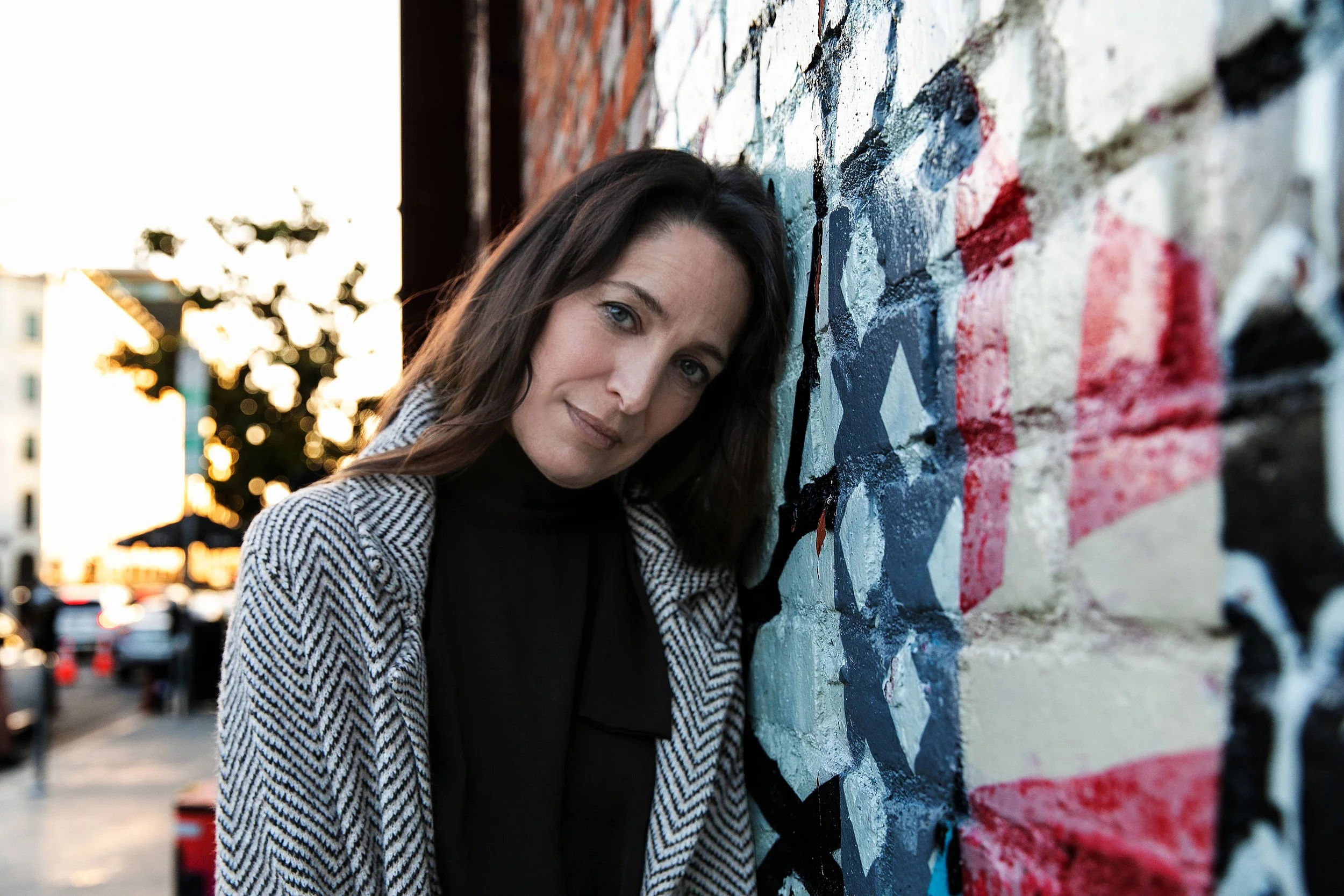
That instinct would be tested in a far more personal way years later.
At 20, a car accident left her hospitalized in Italy with severe facial injuries. Recovery became its own kind of test to hold onto identity when everything feels uncertain. She remembers singing Whitney Houston songs to nurses through clenched teeth, trying to find her way back to something familiar.
“I just wanted to sing again,” she says.
She did.
Her 1996 debut album Under These Rocks and Stones introduced her as one of Canada’s most distinctive voices. Since then, she has released seven studio albums, earning multiple Juno Awards and international recognition as both a performer and songwriter.
At home, life is centred on her family. Kreviazuk and Maida raised three sons – Rowan, Lucca and Salvador – in a blur of early parenting, touring schedules and constant movement. Now, they watch those boys grow into young men building their own lives.
“I’ve been really lucky, but I’ve also struggled and overcome a lot,” Kreviazuk says. “I want people to know I didn’t give up on myself. If you know something about yourself, don’t give up on it either.”